From Lumber to Shingles: How Global Shortages Are Impacting Edmonton Home Renovations
Are you dreaming of a new deck for those long Edmonton summer evenings, or finally finishing that basement to create a cozy family retreat? You’re not alone. But if you’ve started looking into a home renovation recently, you’ve likely encountered some surprising challenges with timelines and costs. What used to be a straightforward process of getting quotes and starting work has become a complex puzzle of material availability and price volatility.

The reality is that global supply chain issues are having a direct, local impact on the availability and price of essential building materials, from the two-by-fours framing your walls to the shingles protecting your roof. At edmontonconnect.com, we are your guide to the local home and renovation landscape. We provide high-value expertise to help homeowners navigate complex challenges like these, connecting you with the information and professionals you need to succeed. In this article, we’ll break down exactly how global shortages are affecting Edmonton renovations and what you can do about it.
Key Takeaways
- Global supply chain disruptions, manufacturing delays, and unprecedented high demand are causing significant shortages and price volatility in key renovation materials like lumber, shingles, windows, and insulation.
- For Edmonton homeowners, this directly results in higher project costs and significantly longer wait times for both materials and qualified contractors.
- The most effective strategies to manage these challenges are proactive and long-range planning, maintaining flexibility on material choices, and working with experienced local professionals who have established supply networks.
- Understanding the current market dynamics empowers you to set realistic expectations, create a more resilient budget, and make smarter decisions for your renovation project.
TL;DR
Global material shortages are making Edmonton home renovations more expensive and causing significant delays. Key materials like lumber and shingles are heavily affected by post-pandemic supply chain issues. Homeowners should plan far ahead, be flexible on materials, and consult with vetted local experts to navigate the current market successfully.
A perfect storm of global factors is the primary driver behind the material shortages affecting Edmonton.
The empty shelves and “out of stock” notices at local suppliers aren’t isolated incidents; they are the local symptoms of a worldwide logistical tangle. A combination of events over the past few years has created a bottleneck that continues to impact everything from raw materials to finished goods, and the construction industry has been hit particularly hard.
The Pandemic Ripple Effect
The initial wave of the COVID-19 pandemic in 2020 caused widespread factory shutdowns and production slowdowns across the globe. This created an immediate backlog. As manufacturing cautiously restarted, it faced a new set of challenges, including new safety protocols and labour shortages. This initial disruption created a ripple effect that manufacturers are still struggling to overcome. The production deficit from that period means there is less inventory in the system, making the entire supply chain more vulnerable to any new delays.
Unprecedented Demand Meets Logistical Bottlenecks
While production slowed, demand for home renovations skyrocketed. As people spent more time at home, they redirected funds from travel and entertainment into improving their living spaces. This surge in demand, as noted by financial institutions like the Bank of Montreal (BMO), created a massive appetite for building materials that the strained supply chain simply couldn’t satisfy. Compounding the issue are severe logistical hurdles. A global shortage of shipping containers, congestion at major ports like Vancouver, and a strained trucking industry mean that even when materials are produced, getting them to a supplier in Edmonton can take weeks or months longer than it used to.
Raw Material Scarcity
The problem goes even deeper than finished products. Many building materials rely on a complex chain of raw components, and shortages at the source have a cascading effect. For example, a global shortage of resins and polymers, key ingredients in everything from paint to vinyl siding and window frames, has limited the output of these essential products. Similarly, petroleum is a primary component of asphalt shingles, meaning fluctuations in global oil prices and refinery capacity have a direct impact on the cost and availability of roofing materials.
Lumber price volatility is directly increasing the cost of foundational renovation tasks like framing, decking, and additions for Edmonton homeowners.
Of all the material shortages, none has been more visible than that of lumber. The dramatic price swings have become a symbol of the current market instability, directly impacting the budget for many of the most common renovation projects.
What’s Happening with Wood?
The price of lumber is subject to a unique set of pressures. In addition to the pandemic-driven demand, sawmill capacity has been a persistent issue. Mills have struggled to keep pace, and the situation in Western Canada has been further complicated by the devastating impact of past forest fire seasons in British Columbia, which have constrained the supply of raw timber. Think of it like the price of gasoline—when the global supply is tight and regional production is hampered, the price at the pump here in Edmonton goes up. The same is true for a two-by-four or a sheet of plywood. While prices have come down from their historic peaks, they remain volatile and significantly higher than pre-pandemic levels, according to market data from sources like Natural Resources Canada.
The Impact on Your Project
This volatility has a direct and measurable effect on the cost of any project that requires a significant amount of wood. For Edmonton homeowners, the renovations most affected include:
- Basement Development: Framing the walls for a new basement suite or family room is a lumber-intensive job.
- Deck and Fence Construction: The cost of pressure-treated lumber, cedar, and composite decking materials has risen sharply.
- Home Additions: The entire structure of an addition, from the floor joists to the roof trusses, is built with lumber.
- Garage Packages: Building a new garage requires a substantial amount of framing lumber and sheathing.
Shingle and roofing material shortages, driven by manufacturing delays, are extending timelines for essential exterior projects.
The supply chain issues extend beyond the frame of your house and right up to the roof, affecting one of the most critical components of your home’s exterior. Securing roofing materials, particularly asphalt shingles, has become a significant challenge, leading to longer project timelines.
Why Your Roof is Taking Longer
Asphalt shingles are a petroleum-based product, which ties their cost directly to the volatile energy market. But price is only part of the problem. Manufacturers are also dealing with shortages of other key components, such as the fiberglass matting that forms the shingle’s core and the granules that provide its colour and UV protection. This has led to limited production runs, with manufacturers often focusing only on their most popular colours and styles. This means your preferred shingle colour might be on backorder for months. This challenge is so pronounced that some local experts have had to completely re-engineer their supply strategies, as detailed in this look at how a local roofer’s supply chain protects you.
Planning Your Exterior Renovation
A roof replacement is often not an optional upgrade but an essential repair to protect your home from Edmonton’s harsh weather. In the current market, this non-negotiable project requires more foresight than ever. Homeowners should anticipate that booking a reputable roofing contractor and having them secure the necessary materials may need to happen months in advance of when the work needs to be done, especially if you have a specific product or colour in mind.
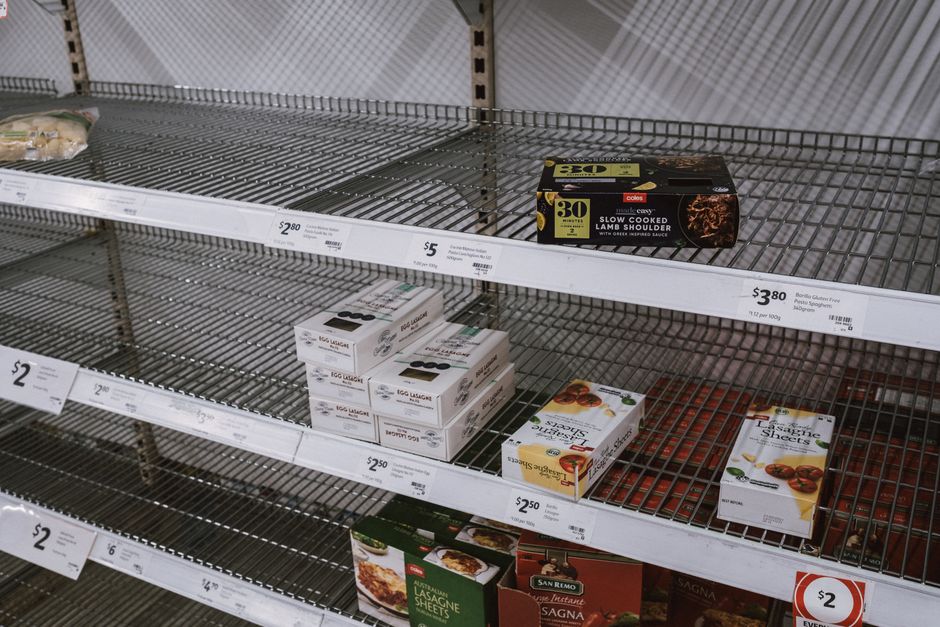
For the average Edmonton renovator, these global issues translate into two major local problems: unpredictable budgets and frustrating delays.
While the global logistics are complex, the impact on your personal renovation project is painfully simple. You can expect your project to cost more and take longer than it would have just a few years ago.
The Challenge of Budgeting
The constant fluctuation in material costs has made budgeting more difficult for both homeowners and contractors. A quote you receive in April might not be valid in June because the price of lumber or drywall could have changed significantly in that time. To protect themselves, many contractors have shortened the validity period of their quotes from 30 or 60 days down to just a week or two. Some builders have also introduced price escalation clauses into their contracts.
Price Escalation Clause: This is a contractual provision that allows the contractor to adjust the final price of the project if the cost of materials increases by a certain percentage between when the contract is signed and when the materials are purchased.
The “Hurry Up and Wait” Reality
Material delays create a frustrating domino effect that can stall a project for weeks or even months. Imagine your project is running smoothly, but the custom-ordered windows are delayed by eight weeks. This single delay brings everything to a halt. The exterior siding can’t be finished, the interior drywall can’t be installed, which means the painters can’t start, and the flooring can’t go in. The entire project timeline is thrown off, creating a “hurry up and wait” scenario that tests the patience of even the most prepared homeowner. Setting realistic expectations about the timeline from the very beginning is crucial for a less stressful renovation experience.
Proactive planning and expert guidance are the most effective strategies for navigating the challenges of renovating in the current market.
These challenges are significant, but they don’t mean you have to abandon your renovation plans. With the right approach, you can successfully navigate the current market. The key is to shift from a reactive mindset to a proactive one, focusing on planning, flexibility, and professional partnership.
Strategy 1: Plan and Book Far in Advance
The days of deciding to renovate in the spring and starting in the summer are, for now, behind us. It is now essential to start the planning process 6 to 12 months before you intend to begin construction. This extended timeline gives you and your team ample time for design, detailed material selection, and interviewing and booking a qualified contractor. This head start is your single greatest advantage.
Strategy 2: Be Flexible with Materials and Design
Being open to alternatives can be the difference between a stalled project and a completed one. If the specific brand of composite decking you wanted has a six-month backorder, talk to your designer or contractor about comparable products from other manufacturers that may be in stock. The same applies to flooring, tile, and even shingles. A good professional can recommend high-quality alternatives you may not have been aware of, keeping your project moving without compromising on quality.
Strategy 3: Secure Your Materials Early
Once your plans are finalized and your contractor is hired, one of the smartest moves you can make is to have them order and purchase all the necessary materials immediately. While this may require a larger upfront payment, it locks in the price and, more importantly, secures the physical product. Storing materials on-site or at a supplier’s warehouse until they are needed eliminates the risk of a critical item being out of stock when it’s time for installation.
Strategy 4: Work with a Vetted, Experienced Professional
In this market, an experienced local contractor is more valuable than ever. They are not just builders; they are expert logisticians. Established professionals have long-standing relationships with multiple suppliers, giving them better access to inventory and more insight into potential shortages. They can anticipate bottlenecks, suggest viable alternatives, and navigate the complex supply chain on your behalf, saving you immense stress and costly delays.
Edmontonconnect.com is your trusted hub for finding local renovation experts who understand today’s market.
Finding the right professional is the cornerstone of a successful renovation, especially in a challenging market. This is where we provide essential value to Edmonton homeowners.
Why Local Expertise Matters More Than Ever
A great local contractor understands the specific challenges and opportunities within the Edmonton market. They know which local suppliers are reliable and which products are facing the longest delays. They are project managers who actively work to mitigate the risks posed by the global supply chain. Their expertise transforms a potentially chaotic process into a managed and predictable one.
How We Help You Connect
We take the guesswork out of finding reliable professionals. edmontonconnect.com is a service provider that has built a network of vetted, reputable Edmonton-based contractors, designers, and tradespeople. Every professional in our network has a proven track record of delivering quality work and navigating the complexities of the current market. We connect you with the right experts who can provide the guidance and skill needed to bring your vision to life, on time and on budget.
Final Thoughts
The global material shortages are a real and persistent challenge for the Edmonton home renovation industry. They have reshaped timelines, budgets, and the very process of planning a project. However, these obstacles are not insurmountable. By understanding the forces at play, embracing a strategy of proactive planning and flexibility, and partnering with a seasoned local professional, you can still achieve your renovation goals. Knowledge and preparation are your best tools, turning uncertainty into a well-managed project and transforming your house into the home you’ve always envisioned.
Frequently Asked Questions
Why are home renovation projects in Edmonton facing delays and higher costs?
Home renovations in Edmonton are experiencing delays and increased costs due to a combination of global factors, including supply chain disruptions, manufacturing delays, and unprecedented high demand for essential building materials.
What specific building materials are affected by these global shortages?
The shortages impact a wide range of essential renovation materials. The article specifically mentions key items like lumber, such as two-by-fours used for framing, and shingles for roofing.
How do these supply chain issues impact a typical home renovation?
These issues transform what was once a straightforward process into a more complex one. Homeowners can expect challenges with project timelines due to material unavailability and significant price volatility, making budgeting more difficult.
What is the main takeaway for homeowners planning a renovation in Edmonton?
The key takeaway is that homeowners should be aware of the current market conditions. It’s crucial to anticipate potential challenges with material availability and pricing, and to plan for flexibility in both your timeline and budget.
Total Members in Edmonton: 978
Sponsored Ads:

Latest Classifieds Ads
Improve Sales of Stock...
Whatever the product you are selling, we can help ...
* German Sales Represe...
...
ARE YOU TALENTED? IN B...
Are you a confident Native English speaker squ...
French or English (UK)...
Our Company S...
Barcelona Info
- Language Schools
- Find a Job
- Book a Hotel
- Shopping in Barcelona
- Rooms in Barcelona
Going Out
- Barcelona Nightlife
- Clubs in Barcelona
- Restaurants
- Bars & Pubs
- Events in Barcelona
Sightseeing in Barcelona
- Sagrada Familia
- Las Ramblas
- Park Güell
- Barça FC
- Barcelona Beaches
Outside Barcelona
- Barcelona Tours
- To Costa Brava
- Cadeques
- Port Aventura
- Sitges
Copyright 2011 Go & Connect
